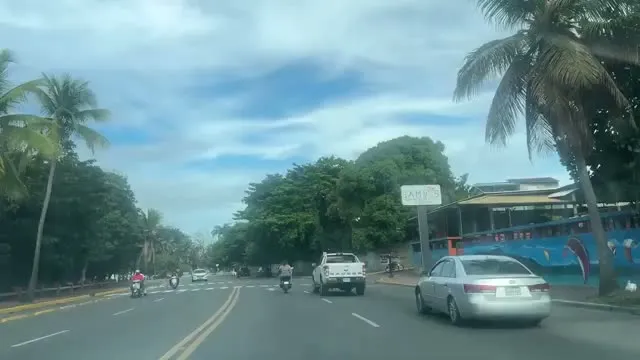
Driving in Puerto Plata: Read This Before You Rent a Car
Don't drive in Puerto Plata just because you can. That is my advice to every visitor and every new resident, and it goes for a rented scooter too.
Driving here is not driving back home. The style is completely different, the laws are enforced differently, and the roads punish habits that keep you safe in the States.
Spend your first days as a passenger. Learn how traffic here actually moves. Then decide.
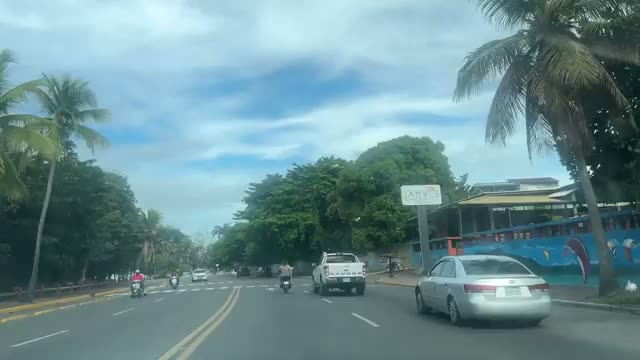
The toll that made me write this
In under three weeks this October, eight people died in crashes on Puerto Plata province roads, according to local reports.
On the night of October 14 in Sosúa, two motorcycles hit head-on. Both riders died. Neither wore a helmet, and neither bike had plates.
This morning, November 1, near Cofresí, a motorcyclist crashed — and a man named Luis Miguel Vargas stopped to help him. A second car hit the people helping. Vargas did not survive.
The same day in Sosúa, two foreign visitors on a motorcycle were hit head-on by an SUV. Both went to the hospital with serious injuries.
I am not writing this to scare you off Puerto Plata. I live here, and I love it here. I am writing it because the roads are the most dangerous part of this place, and nobody warns visitors properly.
How traffic actually works here
Traffic in the Dominican Republic runs on prediction, not on pauses.
Drivers judge where you are going to be, and they keep coming. They do not stop and wait for you to make your move the way drivers do back home. If you hesitate the way you were trained to, you become the surprise.
The drivers here are not bad drivers. They are skilled at their own system. They just do not follow the laws you are used to — and the police, for the most part, do not enforce them.
I watch people pass a police car on the double line. I watch them run a stop sign right in front of one. No stop. No ticket. No consequences.
I am not telling you to drive like that. I am telling you that is what normal looks like here — and your instincts were built for a different normal.
The rule: be a passenger first
Whatever you plan to drive — a rental car, your own car, a scooter to run around town — spend your first days riding, not driving.
Watch the patterns from the passenger seat:
How motorcycles filter through traffic and appear where you do not expect them
How drivers merge by judging speed and distance, not by waiting for a gap
How stop signs, lights, and lanes function more like suggestions than rules
How different the same road feels after dark, when plenty of bikes run with no lights at all
A week of watching teaches you what to expect. And expectation is the whole game here. You cannot react safely to a system you do not understand yet.
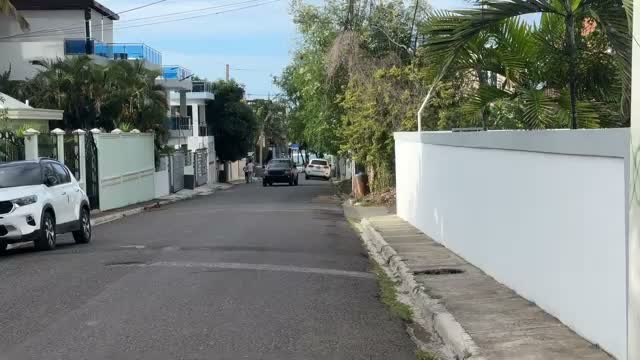
The double edge, honestly
Here is the part nobody says out loud: the relaxed enforcement is part of why this place feels so relaxed.
You feel it, even if you never name it. The police are not nitpicking. Things that are a big deal back home are not a big deal here. That signal is a piece of the laid-back feeling people fly down here chasing.
The freedom and the danger are the same coin. You do not get one side without the other. The point is not to complain about the coin — it is to see both sides of it before you get behind a wheel.
What I do myself
I have rented cars here several times. And when I rented them, I had my driver drive — not me.
That is not because I cannot drive here. I can, now. It is because for a long time, riding with someone who knows these roads was simply the smarter play, and some days it still is.
There are taxis everywhere. There are guaguas and public cars for short hops. And there are local drivers who know every road and every habit on it. In my guide to getting around Puerto Plata, I introduce Juan — my guy — and the other options that make not driving easy here.
If you do drive, drive like this
Slow down at night. Expect motorcycles with no lights, animals, and people walking where no walker should be.
Assume nobody stops. Not at the stop sign, not at the corner, not for you. Drive as if the other driver's next move is the one you did not predict.
Watch further ahead than feels natural. Your safety here is reading the road early, because events arrive fast.
Be careful stopping to help. If you stop at a crash, get fully off the road, hazards on, and be aware that traffic may not slow down for the scene. Helping is right. These roads do not forgive it, so protect yourself first.
Skip the scooter heroics. A rental scooter around town is common and convenient. It is also the least protected seat on the road. Passenger first, helmet always, short trips until the patterns are in your bones.
Frequently asked questions
Is it safe to drive in Puerto Plata?
It can be, once you understand the system. The danger is driving on day one with home-country instincts: traffic here runs on prediction, enforcement is relaxed, and many motorcycles run unlit at night. Learn the patterns as a passenger first.
Should I rent a car in Puerto Plata?
If you rent one, consider hiring a local driver for the first days — I have done exactly that myself. Many visitors find taxis and private drivers simpler and cheaper than a rental once parking, fuel, and stress are counted.
What about renting a scooter?
Scooters are everywhere and fine for short town trips once you know the streets. Treat them with full respect: helmet on, short routes, and no riding at night until the traffic patterns are familiar.
Are the police strict about traffic laws in the Dominican Republic?
In day-to-day driving, enforcement is visibly relaxed compared to the US — locals routinely pass on double lines and roll stop signs without being stopped. That does not make it legal or safe; it means you cannot count on other drivers obeying the rules.
What is the safest way to get around Puerto Plata as a visitor?
Taxis, hotel drivers, and trusted local drivers for longer trips; guaguas and public cars for short hops in town. My getting-around guide breaks down each option and what it costs.
Plan your Puerto Plata trip
If you are planning a trip or a move, start with the free checklist on drpuertoplata.com — what to pack, what to book, and what to skip.
And if you want a person on the ground — a driver you can trust, the right area to stay in, straight answers before you spend money — that is what I do. Reach out through drpuertoplata.com and tell me when you are coming.
